𝗢𝘃𝗲𝗿𝘃𝗶𝗲𝘄
The Institutional Development and Capacity Building (ID&CB) Component of the Integrated Rural Development and Climate Resilience Project (IRDCRP) plays a pivotal role in ensuring the long-term sustainability and effectiveness of project investments. While physical infrastructure development contributes to improved water availability and agricultural productivity, sustainable development can only be achieved when communities and institutions possess the knowledge, skills, systems, and organizational capacity required to manage and maintain these investments. The component therefore focuses on strengthening institutions, empowering communities, and enhancing the capacities of stakeholders to effectively participate in and benefit from project interventions.
𝗠𝗶𝘀𝘀𝗶𝗼𝗻
The mission of the Institutional Development and Capacity Building Component is to develop strong, accountable, and resilient institutions while enhancing the knowledge, skills, and leadership capacities of communities and stakeholders to support sustainable management of irrigation systems, natural resources, and rural livelihoods. Through a participatory and inclusive approach, the component seeks to create an enabling environment that fosters community ownership, institutional effectiveness, and long-term development outcomes.
𝗢𝗯𝗷𝗲𝗰𝘁𝗶𝘃𝗲𝘀 𝗼𝗳 𝗜𝗻𝘀𝘁𝗶𝘁𝘂𝘁𝗶𝗼𝗻𝗮𝗹 𝗗𝗲𝘃𝗲𝗹𝗼𝗽𝗺𝗲𝗻𝘁
The Institutional Development aspect of the component is designed to strengthen governance structures and institutional mechanisms at community, local, provincial, and national levels. It focuses on enhancing the effectiveness of Farmer Organizations, Project Farmer Organizations, Cascade Management Societies, Farmer Producer Organizations, and other community-based institutions that play a vital role in managing irrigation systems and natural resources. By promoting participatory decision-making, transparent governance, effective coordination among stakeholders, and improved organizational performance, the component contributes to building strong institutions capable of sustaining project benefits beyond the implementation period.
𝗢𝗯𝗷𝗲𝗰𝘁𝗶𝘃𝗲𝘀 𝗼𝗳 𝗖𝗮𝗽𝗮𝗰𝗶𝘁𝘆 𝗕𝘂𝗶𝗹𝗱𝗶𝗻𝗴
The Capacity Building aspect aims to improve the technical, managerial, organizational, and leadership capabilities of stakeholders involved in project implementation and management. Capacity-building interventions are designed to enhance knowledge and skills related to water management, climate resilience, sustainable agriculture, environmental conservation, agribusiness development, social safeguards, and community leadership. Special emphasis is placed on empowering women, youth, farmer leaders, government officials, and community representatives to become active contributors to local development and climate resilience initiatives.
𝗜𝗻𝘀𝘁𝗶𝘁𝘂𝘁𝗶𝗼𝗻𝗮𝗹 𝗦𝘁𝗿𝗲𝗻𝗴𝘁𝗵𝗲𝗻𝗶𝗻𝗴 𝗮𝗻𝗱 𝗖𝗼𝗺𝗺𝘂𝗻𝗶𝘁𝘆 𝗘𝗺𝗽𝗼𝘄𝗲𝗿𝗺𝗲𝗻𝘁
A key focus of the component is the strengthening of community-based institutions and governance mechanisms within project intervention areas. Through targeted organizational development programmes, leadership training, and institutional support, the project facilitates the establishment and strengthening of effective Farmer Organizations, Cascade Management Societies, and Farmer Producer Organizations. These institutions serve as platforms for collective decision-making, resource management, conflict resolution, and community participation. By fostering stronger local institutions, the project promotes greater accountability, ownership, and sustainability of development interventions.
Community empowerment is another important dimension of the component. Through participatory planning processes such as Community Action Planning (CAP), communities are encouraged to identify their development priorities, actively participate in decision-making, and contribute to the implementation and monitoring of project activities. This participatory approach ensures that development interventions are responsive to local needs and aspirations while strengthening social cohesion and community ownership.
𝗖𝗮𝗽𝗮𝗰𝗶𝘁𝘆 𝗕𝘂𝗶𝗹𝗱𝗶𝗻𝗴 𝗣𝗿𝗼𝗴𝗿𝗮𝗺𝗺𝗲𝘀 𝗮𝗻𝗱 𝗔𝗰𝘁𝗶𝘃𝗶𝘁𝗶𝗲𝘀
The component implements a wide range of training and capacity development programmes tailored to the needs of different stakeholder groups. These programmes cover areas such as climate-smart agriculture, water management, irrigation system operation and maintenance, environmental management, watershed conservation, leadership development, financial management, entrepreneurship, agribusiness promotion, value-chain development, and organizational governance. Training programmes are delivered through workshops, residential training courses, field demonstrations, exposure visits, peer-learning sessions, Training of Trainers (TOT) programmes, and practical field-based learning activities.
The project also places significant emphasis on strengthening the capacities of government institutions and project implementation partners. Technical officers, extension personnel, and field-level staff receive specialized training to improve service delivery, technical advisory support, and project management capabilities. Such interventions contribute to enhanced institutional performance and more effective implementation of project activities across multiple sectors.
𝗦𝗼𝗰𝗶𝗮𝗹 𝗜𝗻𝗰𝗹𝘂𝘀𝗶𝗼𝗻 𝗮𝗻𝗱 𝗦𝗮𝗳𝗲𝗴𝘂𝗮𝗿𝗱𝘀
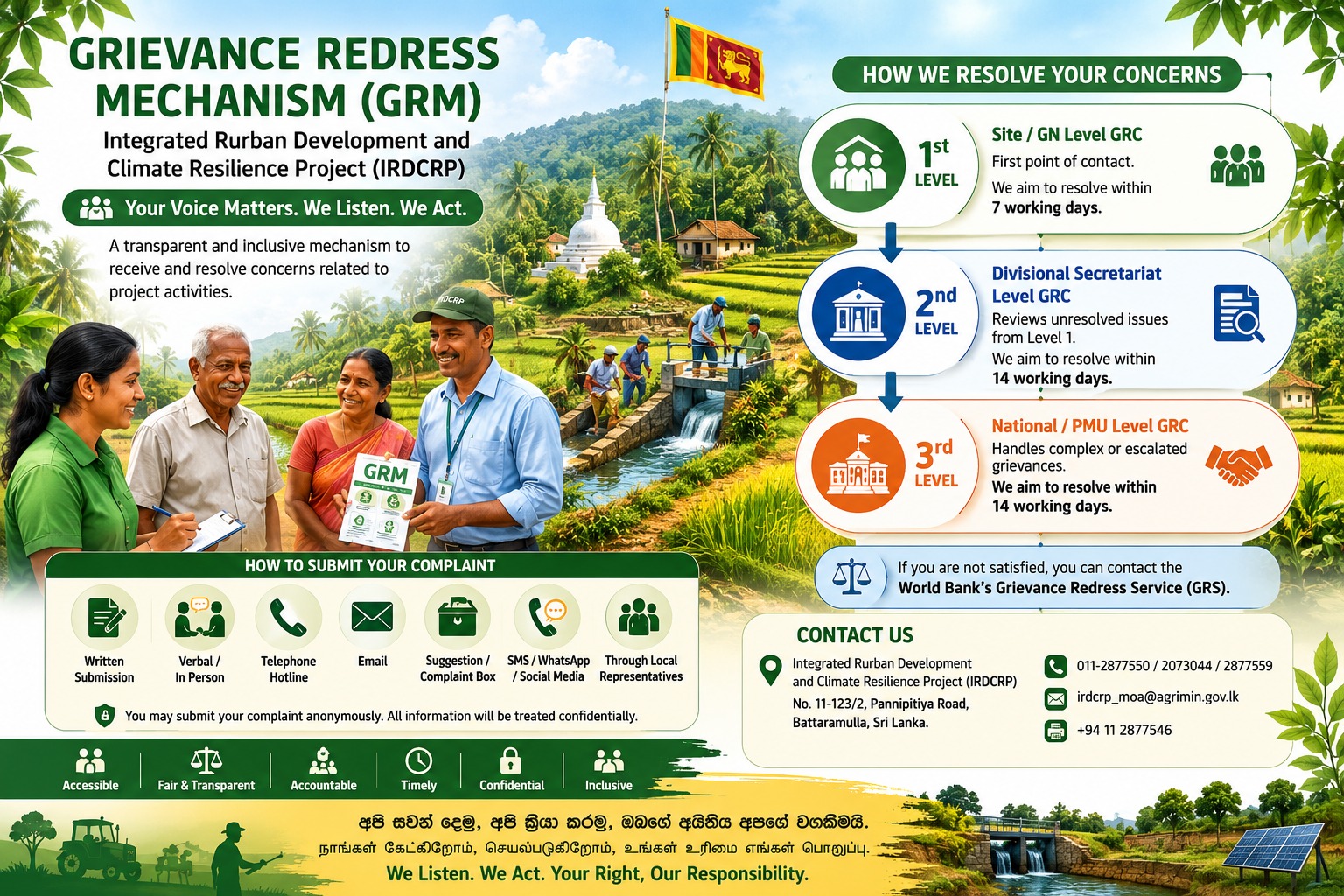
Recognizing the importance of inclusive and equitable development, the component integrates social inclusion, gender equality, and environmental sustainability into all capacity-building and institutional development activities. Special attention is given to promoting the participation and leadership of women, youth, and vulnerable groups within community institutions and development processes. Training and awareness programmes related to environmental and social safeguards, stakeholder engagement, grievance redress mechanisms, and community consultation processes help ensure that project interventions are implemented responsibly and sustainably.
𝗞𝗻𝗼𝘄𝗹𝗲𝗱𝗴𝗲 𝗠𝗮𝗻𝗮𝗴𝗲𝗺𝗲𝗻𝘁 𝗮𝗻𝗱 𝗟𝗲𝗮𝗿𝗻𝗶𝗻𝗴
The Institutional Development and Capacity Building Component also serves as a platform for knowledge generation, learning, and dissemination. Through workshops, seminars, learning forums, publications, and digital knowledge-sharing initiatives, the project promotes the exchange of experiences, lessons learned, and best practices among stakeholders. Documentation of successful approaches and innovative solutions contributes to continuous learning and supports the replication and scaling-up of effective development models.
𝗘𝘅𝗽𝗲𝗰𝘁𝗲𝗱 𝗢𝘂𝘁𝗰𝗼𝗺𝗲𝘀
Through its comprehensive institutional strengthening and capacity-building interventions, the component is expected to create stronger and more resilient community institutions, improve stakeholder participation in resource management, enhance technical and managerial competencies, strengthen climate resilience, and promote sustainable livelihoods. It will contribute to the establishment of effective governance systems, improved management of irrigation and natural resources, increased agricultural productivity, and stronger partnerships among communities, government agencies, and development stakeholders.
𝗦𝘂𝘀𝘁𝗮𝗶𝗻𝗮𝗯𝗶𝗹𝗶𝘁𝘆 𝗮𝗻𝗱 𝗟𝗼𝗻𝗴-𝗧𝗲𝗿𝗺 𝗜𝗺𝗽𝗮𝗰𝘁
The Institutional Development and Capacity Building Component forms the foundation for the long-term sustainability of IRDCRP investments. By strengthening institutions, developing human capital, and fostering community ownership, the component ensures that the benefits generated by the project continue well beyond the project implementation period. The knowledge, skills, leadership capacities, and institutional frameworks established through this component will enable communities and stakeholders to effectively manage resources, respond to emerging challenges, and pursue sustainable rural development in the years ahead.